
There’s a palpable excitement that fills the air when the warm aromas of Puerto Rican Roast Pig (Lechón Asado) waft through the kitchen. It’s a dish that transforms any gathering into a celebration, captivating friends and family with its crispy skin and succulent, tender meat. I first encountered this culinary marvel at a family reunion, where the entire pig was the centerpiece, drawing us closer as stories and laughter flowed alongside it.
If you’ve been feeling uninspired by the routine of fast food or standard weeknight meals, this recipe is a delicious remedy. Mastering Puerto Rican Roast Pig not only showcases the artistry of traditional cooking but also deepens one’s appreciation for Puerto Rican heritage. And while roasting a whole pig may seem intimidating, I’ll share tips and variations that make this show-stopping dish more accessible than you might think. So, roll up your sleeves and get ready to indulge in a unique cooking adventure that promises to leave you—and everyone lucky enough to share in this feast—satisfied and impressed!
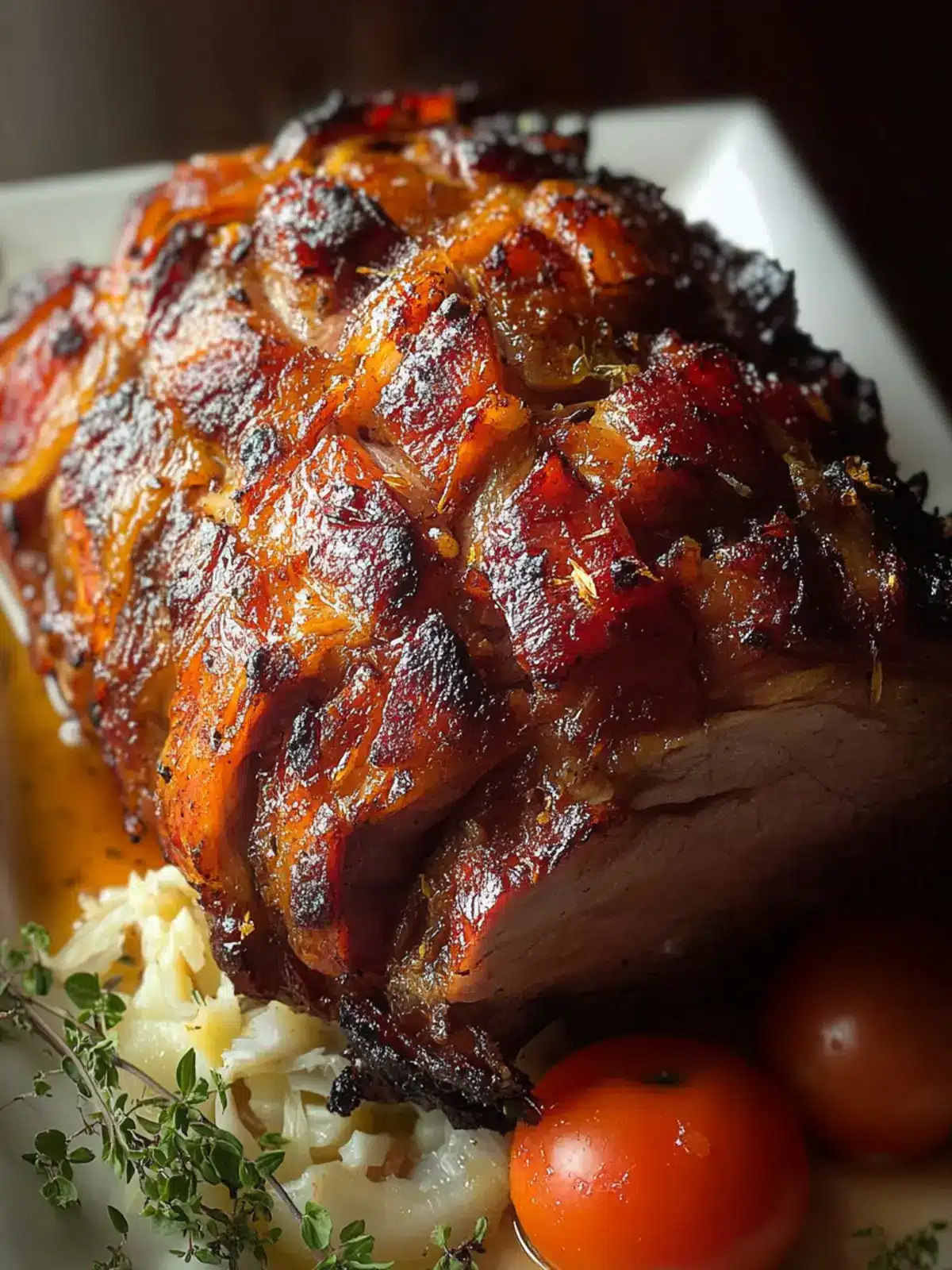
Why Mastering Puerto Rican Roast Pig is Essential?
Unforgettable Experience: This recipe transforms your gatherings into memorable feasts, showcasing a dish that’s steeped in tradition.
Crowd-Pleasing Delight: Its crispy skin and juicy meat are sure to impress friends and family, making you the star of any celebration.
Cultural Connection: By mastering Lechón Asado, you embrace a piece of Puerto Rican heritage that brings people together.
Versatile Techniques: Whether using a caja china or an oven, adapt the method to your kitchen setup while still achieving incredible results.
Marination Benefits: A longer marination time ensures the flavors penetrate deeply, enhancing every juicy bite. Dive into this culinary journey and savor the joy of creating something truly special!
Mastering Puerto Rican Roast Pig Ingredients
For the Pig
• Whole Suckling Pig (20-40 pounds) – The centerpiece of the dish; young pigs ensure tender meat and crispy skin.
For the Marinade
• Garlic – Provides essential flavor; minced for optimal infusion.
• Oregano – Adds depth to the marinade; can substitute with fresh herbs for a lively twist.
• Cumin – Brings warmth and earthiness; optional but highly recommended for classic flavor.
• Salt & Black Pepper – Essential for enhancing overall taste; adjust according to personal preference.
• Vinegar (White or Apple Cider) – Tenderizes the meat and adds tang; lemon juice is a suitable alternative.
• Orange Juice & Lime Juice – Delivers a fresh, citrusy brightness; fresh juice is best for flavor.
• Soy Sauce – Adds umami and saltiness; tamari works well for a gluten-free option.
• Olive Oil or Lard – Used for basting to keep skin crispy and meat moist; lard offers a rich, traditional flavor.
Explore the genuine flavors of this dish, as mastering Puerto Rican Roast Pig (Lechón Asado) opens the doors to unforgettable culinary experiences!
How to Make Puerto Rican Roast Pig
-
Rinse and Dry: Begin by thoroughly rinsing the whole suckling pig under cold water. Pat it dry with paper towels to ensure the skin crisps up beautifully during roasting.
-
Make the Marinade: In a large mixing bowl, combine minced garlic, oregano, cumin, salt, pepper, vinegar, orange juice, lime juice, and soy sauce. Whisk until well blended, creating a fragrant marinade.
-
Rub the Marinade: Generously rub the marinade all over the pig, making sure to get under the skin and inside the cavity. This step is key—allow the flavors to mingle! Marinate in the refrigerator for at least 12 hours, ideally overnight for maximum flavor penetration.
-
Prepare the Caja China: Set up your caja china or spit by heating charcoal and wood chips to maintain a steady medium heat of 275-300°F (135-149°C). This consistent heat is essential for perfect roasting.
-
Roast the Pig: Place the pig carefully in the caja china or on the spit. Roast for 6-8 hours, turning it occasionally and basting every hour to keep the meat moist and the skin crispy.
-
Check for Doneness: Once the skin is a beautiful golden brown and crispy, check the internal temperature with a meat thermometer—it should reach at least 160°F (71°C). Remove from heat and let it rest for 20-30 minutes before carving.
Optional: Serve with a sprinkle of fresh lime juice for added zing.
Exact quantities are listed in the recipe card below.
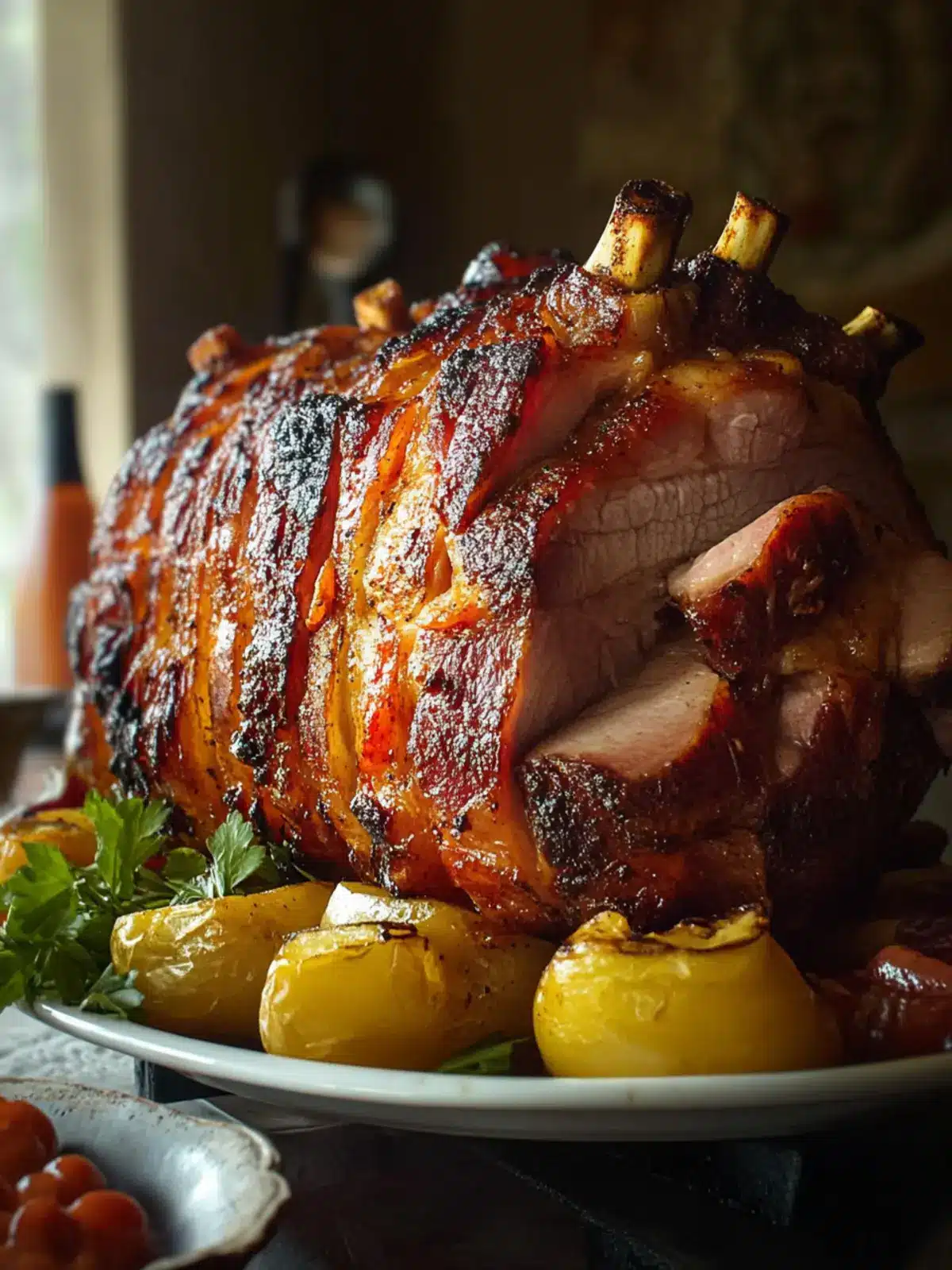
Puerto Rican Roast Pig Variations
Feel free to get creative with this recipe, enhancing the flavors and textures to suit your taste!
- Citrus Twist: Substitute traditional orange juice with fresh grapefruit juice for a unique, slightly bitter flavor that brightens the dish.
- Smoky Baste: Swap soy sauce for smoked paprika to add a rich, smoky undertone that’s perfect for the outdoor cooking experience.
- Herb Medley: Mix in fresh herbs like rosemary or thyme with oregano to create a fragrant, herbaceous twist that elevates the marinade.
- Spicy Kick: Add chopped jalapeños or a dash of hot sauce to the marinade for a spicy punch that will ignite your taste buds.
- Sweet Glaze: Brush the skin with honey or maple syrup during the last hour of roasting for a sweet, caramelized finish that’s hard to resist.
- Apple Infusion: Stuff the cavity with sliced apples or even pineapple to bring a fruity sweetness that complements the savory flavors beautifully.
- Vegetable Stuffing: Experiment by stuffing the pig with a mix of sautéed onions, garlic, and bell peppers to enhance moisture and flavor.
- Unique Marinade: Swap out vinegar for a splash of beer to create a tangy marinade that adds a new layer of flavor, making each bite even more enjoyable.
What to Serve with Puerto Rican Roast Pig?
Transform your feast into a vibrant culinary experience with delightful pairings that complement the rich flavors of your roast.
- Arroz con Gandules: This iconic rice dish combines pigeon peas and savory spices, balancing the richness of the pig with its bright flavors.
- Tostones: Crispy fried plantains add a crunchy texture, contributing a satisfying contrast that perfectly accompanies the tender meat.
- Avocado Salad: A refreshing salad made with ripe avocados, tomatoes, and onions brings a cool, creamy touch that lightens up your meal.
- Mango Salsa: Sweet and tangy mango salsa enhances the dish with a burst of freshness, brightening each bite of the succulent pork.
- Black Beans: Soft, seasoned black beans offer a wholesome contrast and a delightful depth of flavor that enriches the meal’s heartiness.
- Spicy Pineapple Relish: This zesty topping perfectly complements the smoky flavors of the roast pig, creating an unforgettable flavor sensation.
Pair any of these options with a rich red wine or a refreshing tropical cocktail to elevate your dining experience even further!
Storage Tips for Puerto Rican Roast Pig
-
Room Temperature: Allow leftover pieces to cool before storing; they can be kept at room temperature for up to 2 hours for safety.
-
Fridge: Store leftover Puerto Rican Roast Pig in an airtight container in the refrigerator for up to 3 days. Make sure pieces are wrapped well to maintain freshness.
-
Freezer: For longer storage, wrap the roast in plastic wrap and aluminum foil before freezing. It can be kept in the freezer for up to 3 months; keep it labeled for easy access.
-
Reheating: When ready to enjoy leftovers, reheat slices in the oven at 350°F (175°C) for about 15-20 minutes. This ensures the skin remains crispy while warming the tender meat inside.
Make Ahead Options
These delicious Puerto Rican Roast Pig (Lechón Asado) preparations are perfect for busy cooks looking to save time without sacrificing flavor! You can marinate the pig up to 24 hours in advance, which allows the spices to deeply penetrate the meat, enhancing its tenderness and taste. Additionally, if you’re short on time, you can prepare the marinade a few days ahead and store it in the refrigerator to keep its freshness. When you’re ready to cook, simply rub the marinade on the pig and refrigerate it overnight before roasting. This method not only streamlines meal prep but ensures that your Lechón Asado remains just as delicious and memorable, ready to impress your guests!
Expert Tips for Mastering Puerto Rican Roast Pig
-
Choose the Right Pig: A whole suckling pig weighing 20-40 pounds is ideal for tender meat and crispy skin. If unavailable, pork shoulder is a great alternative.
-
Allow for Proper Marination: Don’t rush it! Marinate your pig for at least 12 hours or overnight. This allows flavors to deeply penetrate the meat, elevating your Mastering Puerto Rican Roast Pig experience.
-
Maintain Consistent Heat: Use a caja china or a meat thermometer to ensure even heat distribution throughout the roasting process. This is crucial for achieving that perfect crispy skin.
-
Baste Regularly: Basting every hour keeps the meat moist and enhances flavor. Use the delicious juices accumulating in the roasting pan to keep things vibrant!
-
Rest Before Carving: Once your pig is beautifully roasted, give it 20-30 minutes to rest. This step allows juices to redistribute, ensuring every slice is juicy and flavor-packed.
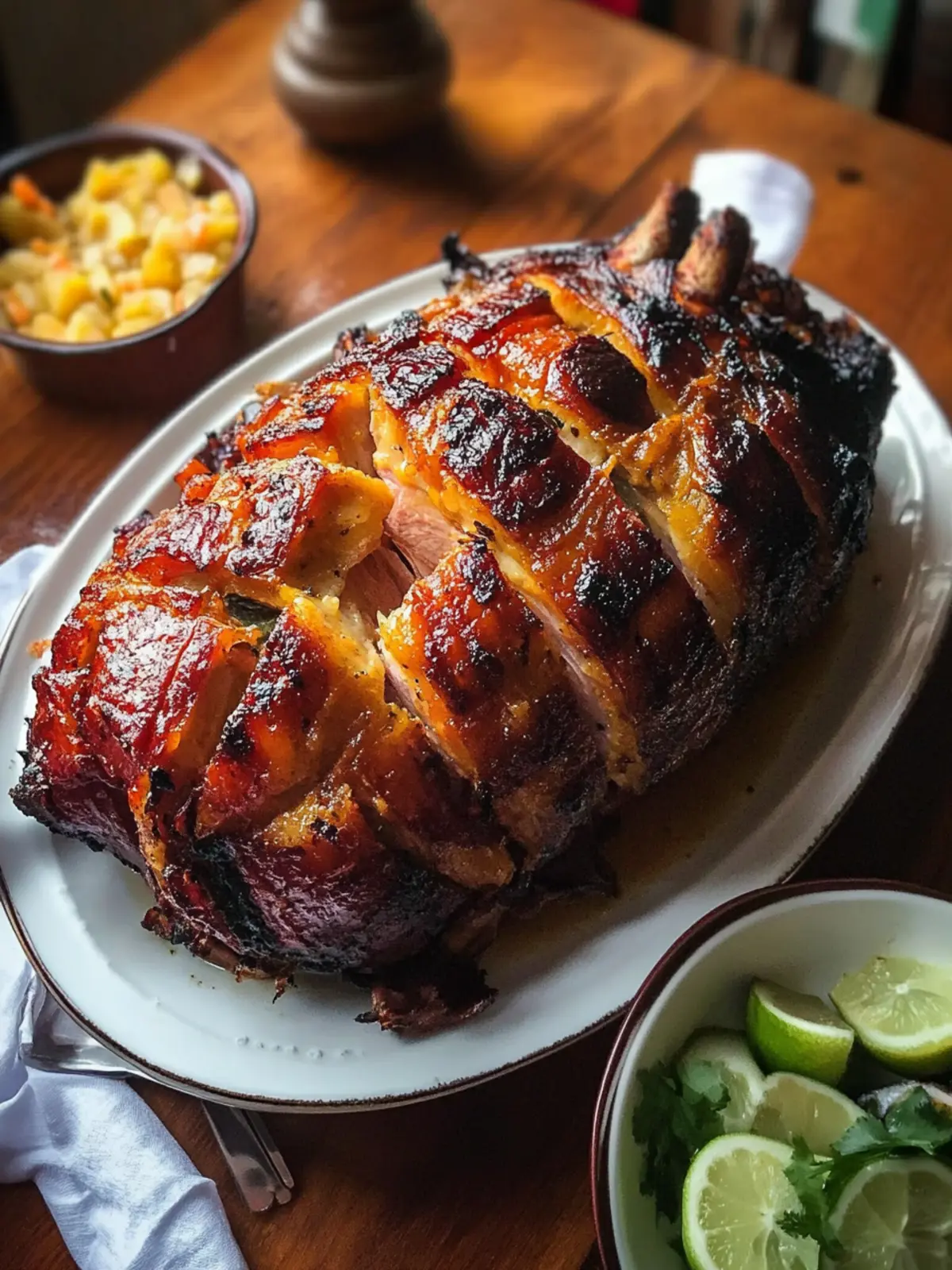
Puerto Rican Roast Pig (Lechón Asado) Recipe FAQs
What should I look for when selecting a whole suckling pig?
Absolutely! When choosing a suckling pig, look for one that weighs between 20-40 pounds, as this size yields the most tender meat and crispy skin. Check for bright pink skin without any dark spots, which can indicate spoilage. Freshness is key, so if possible, source from a reputable farmer or butcher.
How should I store leftover Puerto Rican Roast Pig?
Very important! After allowing the roast to cool to room temperature, place the leftover pieces in an airtight container and store in the refrigerator. They can last up to 3 days. If you want to keep them longer, wrap portions tightly in plastic wrap and aluminum foil before freezing, where they can stay good for up to 3 months.
Can I freeze Puerto Rican Roast Pig, and how?
Of course! To freeze your roasted pig, first let it cool completely. Then, individually wrap the pieces in plastic wrap, followed by aluminum foil, to protect against freezer burn. Make sure to label them with the date for reference. When you’re ready to enjoy again, just thaw in the refrigerator overnight and reheat for optimal results.
What if the skin doesn’t turn out crispy?
Don’t worry, it’s a common concern! If your skin isn’t crispy, this could be due to several factors. Ensure you kept the pig dry before applying the marinade—moisture is the enemy of crispiness. Additionally, make sure the roasting temperature is steady and hot enough (275-300°F / 135-149°C) throughout the cooking process. If needed, you can finish it under a broiler for a few minutes to achieve that golden, crispy finish.
Is this recipe suitable for people with dietary restrictions?
Certainly! The Puerto Rican Roast Pig is naturally gluten-free, especially if you use tamari instead of traditional soy sauce. However, it’s always best practice to check your ingredients, especially for marinades or any pre-packed items. As for cooking with pets around, ensure no seasonings or ingredients are toxic to them, as some spices and sauces can be harmful.
How long should I marinate the pig for maximum flavor?
The longer, the better! For optimal flavor, aim to marinate your pig for at least 12 hours, and ideally overnight. This allows the marinade to penetrate deeply into the meat, ensuring each bite is packed with that signature Puerto Rican flavor. Remember, patience is key for mastering Puerto Rican Roast Pig (Lechón Asado)!
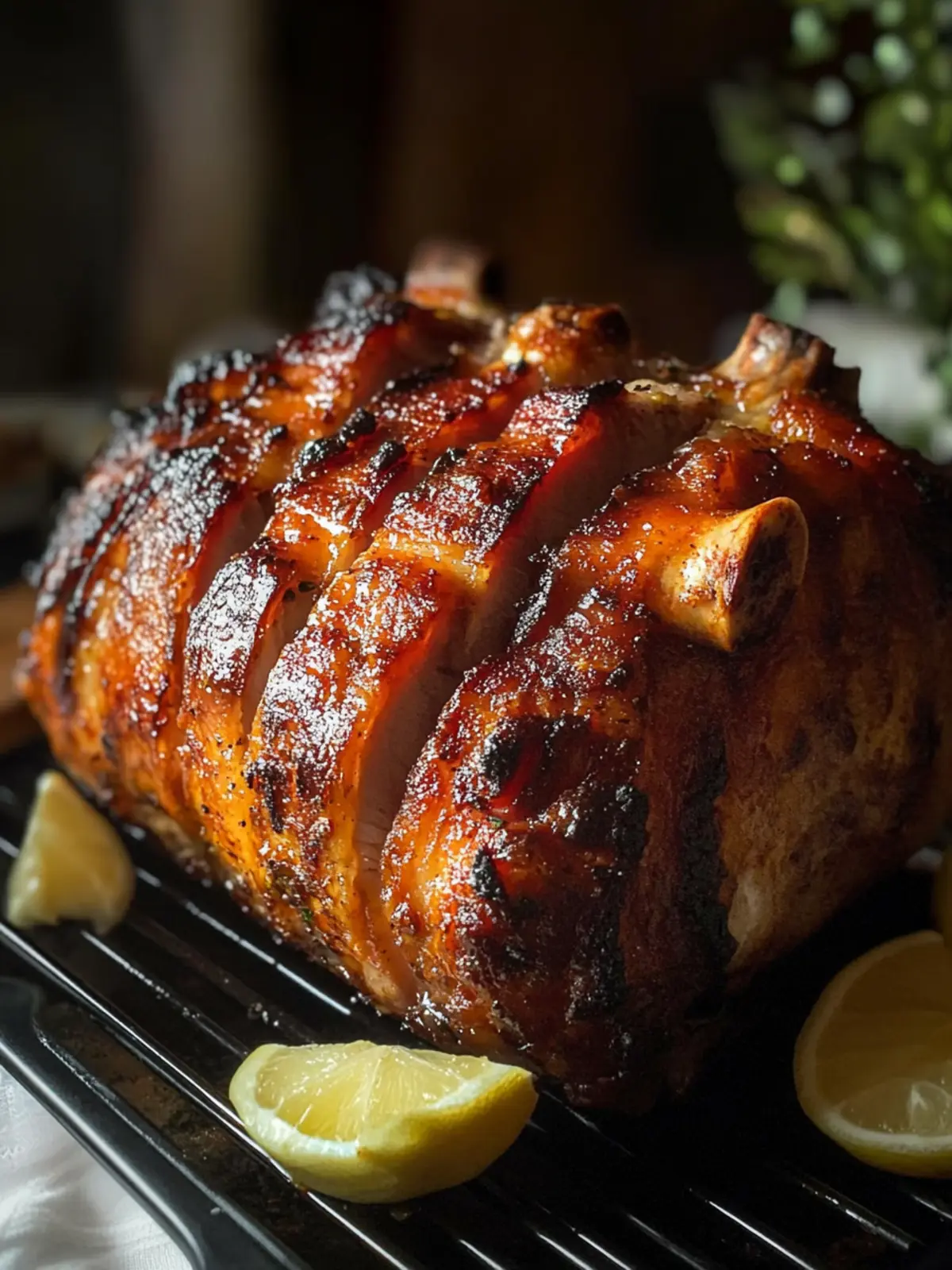
Mastering Puerto Rican Roast Pig (Lechón Asado) at Home
Ingredients
Equipment
Method
- Rinse and dry the whole suckling pig under cold water. Pat it dry with paper towels.
- In a large mixing bowl, combine minced garlic, oregano, cumin, salt, black pepper, vinegar, orange juice, lime juice, and soy sauce. Whisk until well blended.
- Generously rub the marinade all over the pig, ensuring it gets under the skin and inside the cavity. Marinate in the refrigerator for at least 12 hours, ideally overnight.
- Set up your caja china or spit by heating charcoal and wood chips to maintain a steady medium heat of 275-300°F (135-149°C).
- Place the pig carefully in the caja china or on the spit. Roast for 6-8 hours, turning it occasionally and basting every hour.
- Check the skin; it should be golden brown and crispy. The internal temperature should reach at least 160°F (71°C). Let it rest for 20-30 minutes before carving.