
When life gets busy, there’s nothing quite like the luxurious comfort of a homemade Italian dish to melt the stress away. I stumbled upon this traditional White Bolognese (Ragu Bianco) recipe during a particularly chaotic week—on one of those evenings when I craved something hearty but wanted a departure from the usual tomato-based sauces. The rich aromas of slowly simmering meats mingled with white wine and aromatic herbs filled my kitchen, instantly transporting me to an inviting trattoria in Northern Italy.
What’s wonderful about this ragu is its delightful simplicity; you’ll be amazed at how easily it comes together. With no tomatoes in sight, the focus shifts to a medley of flavors from ground meats, pancetta, and a creamy finish from whole milk, creating a sauce that’s perfect for clinging to your favorite pasta. Plus, it’s freezer-friendly, making it an ideal choice to prepare in advance for those nights when you just can’t face cooking. So, roll up your sleeves and let’s dive into this rich, comforting recipe that promises to become a cherished favorite at your dinner table!
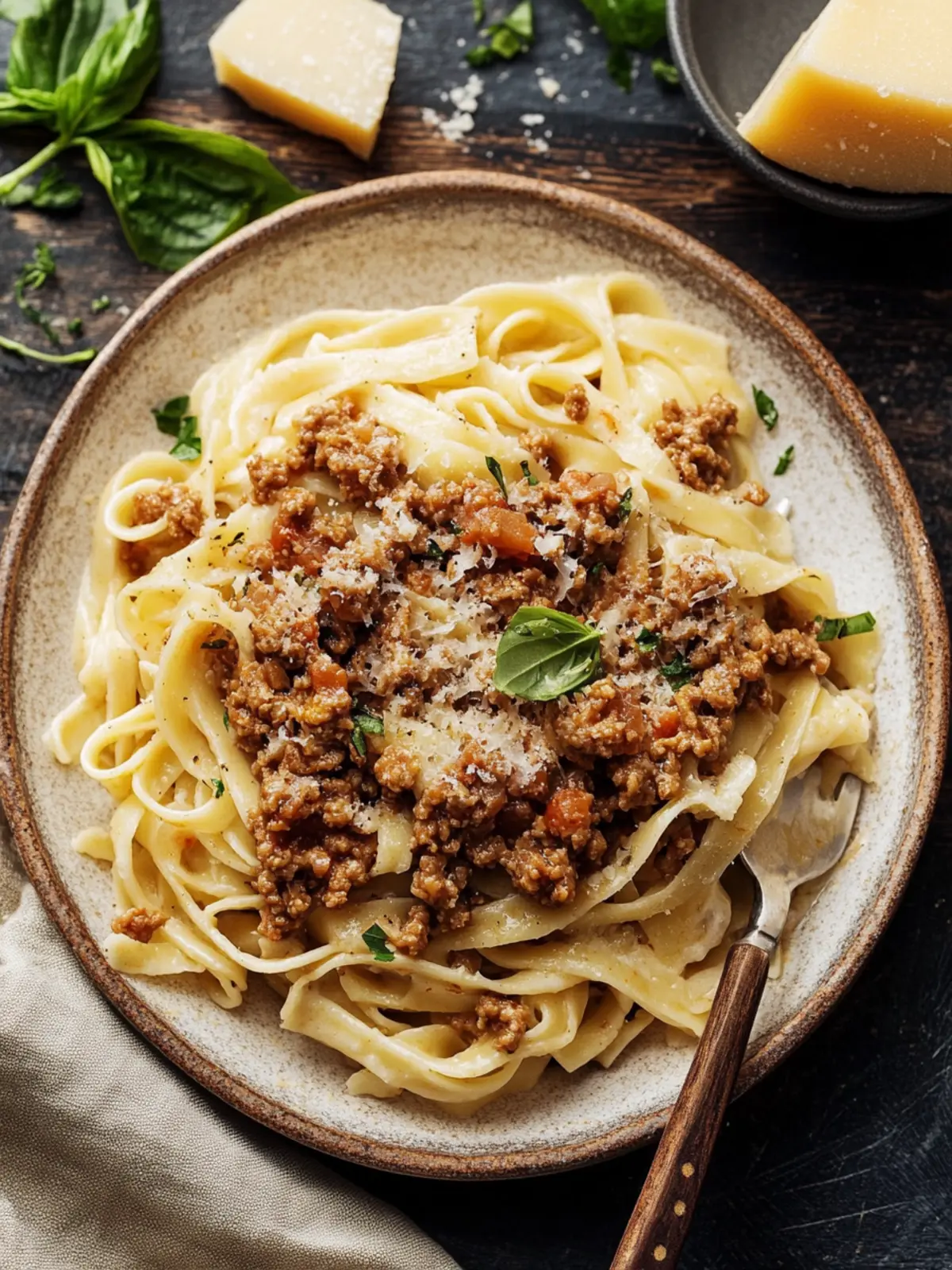
Why is White Bolognese (Ragu Bianco) a must-try?
Heavenly Taste: This traditional Italian dish offers a unique, creamy flavor profile that sets it apart from common tomato sauces.
Rich, Comforting Sauce: With ground meats, pancetta, and a hint of nutmeg, every spoonful is packed with robust taste that’s simply irresistible.
Easy to Make: This recipe is surprisingly simple; even if you’re new to cooking, you’ll look like a pro!
Versatile Options: Pair it with tagliatelle or even use it in layered dishes like lasagna—your culinary creativity can shine!
Make-Ahead Friendly: Perfect for busy nights, it freezes beautifully for a quick, hearty meal later.
Crowd Pleaser: Serve it at your next gathering; guests will be raving about this tomato-free twist!
White Bolognese Ingredients
For the Sauce
- Olive Oil – Adds richness to the dish and helps sauté the soffritto.
- Onion (red or yellow) – Provides a sweet and savory base flavor.
- Carrot – Contributes natural sweetness and balances savory elements.
- Celery – Adds a fresh, aromatic note to the soffritto.
- Garlic – Enhances flavor (optional for traditionalists).
- Pancetta – Provides depth and a savory pork flavor.
- Ground Beef – Forms part of the meat base, offering a rich, hearty foundation.
- Ground Pork – Complements the ground beef for a balanced meat mixture.
- Dry White Wine (Pinot Grigio) – Adds acidity and depth to the sauce, crucial for White Bolognese.
- Beef or Chicken Stock – Provides essential liquid and flavor; enhances the ragu’s richness.
- Parmesan Rind – Infuses a savory umami taste as it simmers.
- Whole Milk – Adds creaminess and helps mellow strong flavors.
- Rosemary Sprigs – Offers fragrant herbal notes that enrich the sauce.
- Salt & Pepper – Essential seasoning to enhance all flavors.
- Ground Nutmeg – A subtle spice that adds warmth to the sauce.
- Freshly Grated Parmigiano Reggiano – For serving, adds a nutty finish that elevates each bite.
For the Pasta
- Dried Tagliatelle or Pappardelle – Best pasta shape to hold the ragu well and enhance your dining experience.
- Pasta Water – Essential for binding the sauce and pasta together, adding creaminess to the final dish.
How to Make White Bolognese
-
Prep Soffritto: Start by finely chopping the onion, carrot, celery, and optional garlic using a food processor. This aromatic base adds sweetness and depth to your sauce.
-
Brown Pancetta: In a Dutch oven, heat a drizzle of olive oil over medium heat. Add the pancetta and brown it for about 3-4 minutes, until it becomes crispy and releases its savory aroma.
-
Sauté Soffritto: Stir in your chopped vegetables and sauté for around 3 minutes until they’re softened and fragrant, creating a beautiful foundation for your ragu.
-
Cook Meat: Add the ground beef and pork into the pot, seasoning with salt. Cook until the meat is no longer pink, approximately 5-7 minutes, ensuring those delicious flavors meld together.
-
Deglaze with Wine: Pour in the white wine and let it simmer for several minutes, scraping up any bits stuck to the bottom of the pot. This step enhances the sauce’s depth.
-
Simmer Sauce: Add the beef or chicken stock, rosemary, Parmesan rind, nutmeg, and half of the whole milk. Cover partially and let the sauce simmer on low heat for 1.5 hours, stirring occasionally.
-
Finish Cooking: After 1.5 hours, uncover the pot, stir in the remaining milk, and allow the sauce to simmer for an additional 20-30 minutes, thickening to your desired consistency.
-
Cook Pasta: Meanwhile, bring salted water to a boil and add your pasta. Cook until al dente, then reserve about 1.5 cups of the pasta water before draining the rest.
-
Combine: Toss the cooked pasta with the ragu sauce and a splash of reserved pasta water in a large pot. Stir in freshly grated cheese until everything is beautifully combined. Serve immediately and enjoy!
Optional: Garnish with extra Parmigiano Reggiano for that extra cheesy goodness.
Exact quantities are listed in the recipe card below.
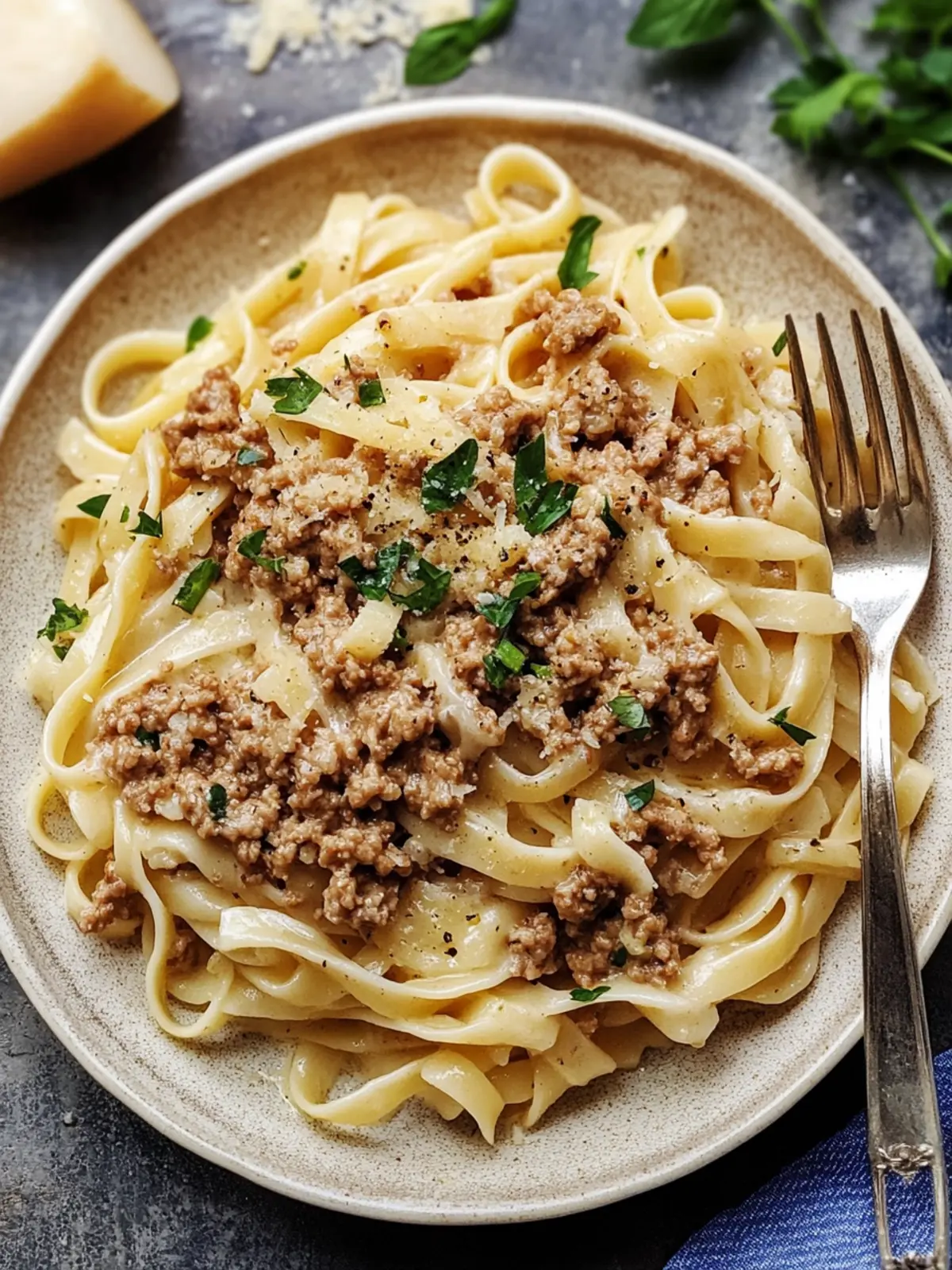
What to Serve with White Bolognese (Ragu Bianco)?
When crafting a meal to pair with this creamy Italian delight, think of complementing flavors and textures that elevate the entire dining experience.
-
Fresh Green Salad: A crisp salad with a light vinaigrette balances the richness of the ragu while refreshing the palate. Toss in some arugula, cherry tomatoes, and shaved Parmesan for a delightful crunch.
-
Garlic Bread: The warm, buttery flavors of garlicky bread are perfect for mopping up that luscious sauce. Each bite is an invitation to savor every morsel.
-
Steamed Broccolini: This tender, slightly bitter green adds a nice contrast, enhancing the overall meal while providing a vibrant splash of color.
-
White Wine: Pairing with a chilled glass of Pinot Grigio echoes the wine used in the ragu and brings out the delicate herbal notes that tie the dish together.
-
Roasted Vegetables: Sweet, caramelized roasted root vegetables like carrots and parsnips create a comforting side that complements the deep flavors of the ragu.
-
Savory Risotto: A side of creamy risotto can absorb the savory ragu beautifully—add some mushrooms or peas for an extra layer of flavor.
-
Tiramisu: For dessert, indulge in a classic tiramisu. The coffee and cocoa layers provide a sweet ending that feels luxurious after a hearty main course.
-
Parmesan Crisps: These crunchy bites are a delightful addition that can be served as an appetizer, offering a salty, nutty flavor that intrigues your taste buds before the meal.
Whatever you choose, these pairings will create a memorable dining experience that celebrates the flavors of your White Bolognese in every course.
White Bolognese (Ragu Bianco) Variations
Feel free to get creative and customize your White Bolognese experience according to your taste and dietary preferences!
-
Veal Swap: Replace ground pork with veal for a lighter flavor while retaining richness in your sauce.
This substitution offers a unique twist that is perfect for special occasions or a refined dinner at home. -
Herb Swap: Switch the rosemary for thyme. This aromatic herb brings a fresh flavor that pairs beautifully with the creamy sauce.
Experiment with different herb combinations; they can completely transform your dish! -
Vegetable Boost: Add finely chopped mushrooms or zucchini to the soffritto for an extra layer of flavor and nutrition.
These additions meld wonderfully with the meat, and you’ll barely notice they’re there, but they enhance the sauce’s depth. -
Spicy Kick: For a bit of heat, incorporate crushed red pepper flakes when cooking the meat.
This adds a dazzling warmth that elevates the complexity of your ragu, perfect for those who enjoy a little fire in their meals! -
Creamy Alternatives: Use half-and-half or a non-dairy milk alternative instead of whole milk for a lighter sauce or to accommodate dietary needs.
These alternatives still create a creamy finish while catering to different dietary preferences. -
Nutmeg Variation: Experiment with a touch of cinnamon in place of nutmeg for a warm, sweet note.
This unexpected flavor can surprise and delight those at the table! -
Different Pasta Shapes: Swap out tagliatelle for pappardelle or even use gnocchi or ravioli for different texture experiences.
By varying the pasta, you can give each meal a fresh new look and feel. -
Garlic Lovers: For those who crave more heat, double the amount of garlic or add roasted garlic for an intense, rich flavor.
This little extra touch can elevate your sauce to an entirely new level of deliciousness!
How to Store and Freeze White Bolognese
Fridge: Store leftover White Bolognese in an airtight container for up to 3 days, ensuring it’s cooled before refrigerating to maintain freshness.
Freezer: For longer storage, freeze the ragu in portions for up to 3 months. Use freezer-safe containers or bags, leaving some space for expansion as it freezes.
Reheating: To reheat, defrost overnight in the fridge or use a microwave. Warm gently on the stove, adding a splash of reserved pasta water for the perfect creamy consistency.
Make-Ahead: Consider making your White Bolognese in advance for busy days. It rewarms beautifully, maintaining its rich flavors and creamy texture.
Make Ahead Options
These White Bolognese (Ragu Bianco) are perfect for meal prep enthusiasts! You can prepare the sauce up to 3 days in advance, storing it in an airtight container in the refrigerator. To maintain the sauce’s rich flavor, let it cool completely before refrigerating. If you prefer, this ragu can also be frozen for up to 3 months—just ensure it’s in a freezer-safe container. When you’re ready to serve, simply thaw the ragu overnight in the refrigerator and reheat it gently on the stovetop, adding a splash of pasta water for creaminess. This way, you’ll enjoy a hearty, homemade Italian dinner with minimal effort on busy weeknights!
Expert Tips for White Bolognese
-
Finely Chopped Soffritto: Ensure your soffritto is chopped finely; this allows for better blending with the meat and a smoother sauce.
-
Avoid Greasiness: Skim off excess oil during cooking to keep your White Bolognese rich but not greasy, ensuring a balanced flavor.
-
Easy Removal: Use kitchen twine to bundle rosemary sprigs together. This way, you can easily remove them post-cooking without any fuss.
-
Reserve Pasta Water: Always save some pasta water to adjust the consistency of your ragu; it adds creaminess and binds the sauce beautifully.
-
Watch the Cooking Time: Be patient with simmering; letting your ragu cook long enough develops rich flavors, making it truly irresistible!
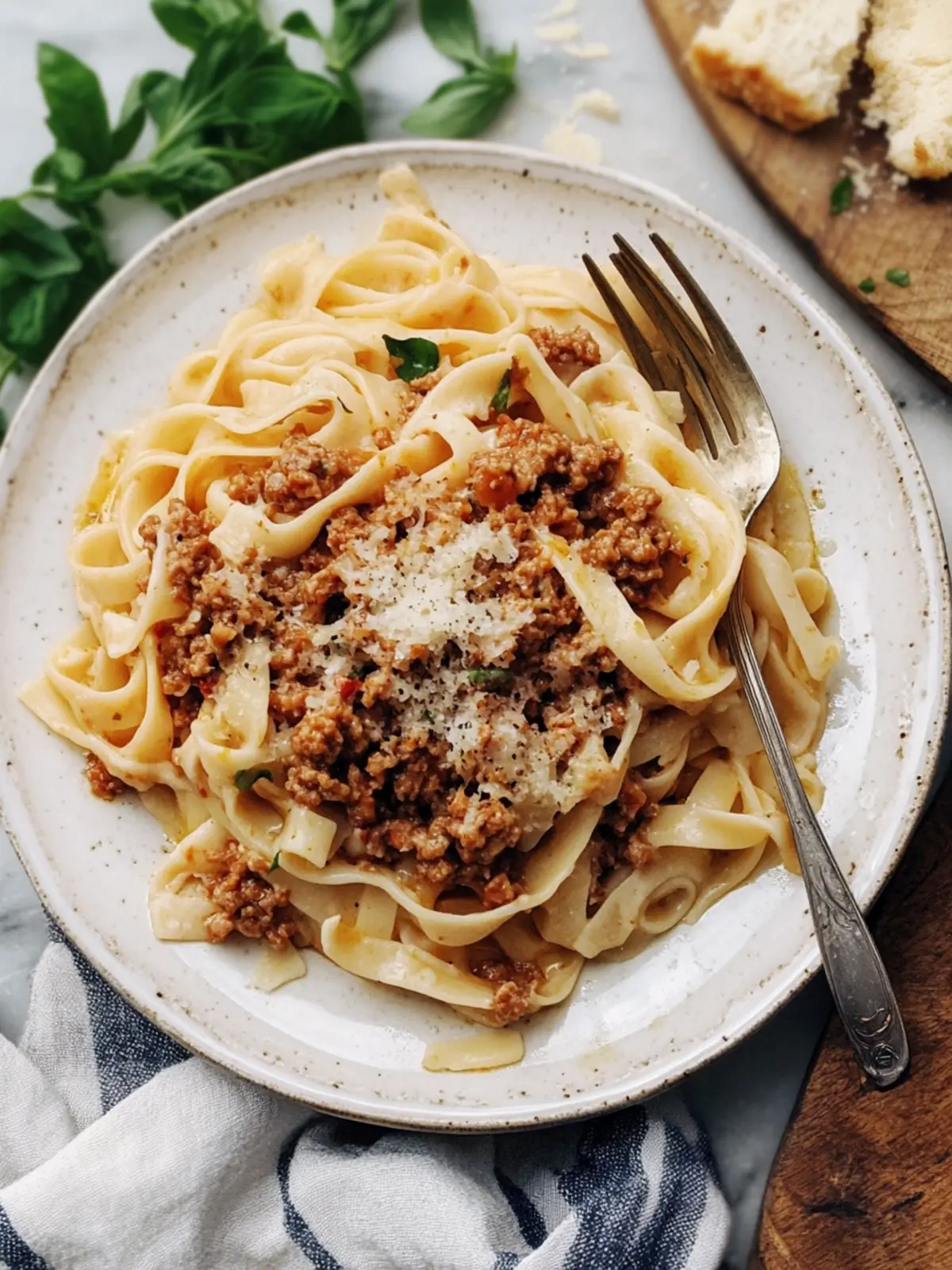
White Bolognese (Ragu Bianco) Recipe FAQs
What kind of meat should I use for White Bolognese?
For the best flavor, use a combination of ground beef and ground pork. This mix creates a rich and hearty base. You can also explore using veal or turkey if you prefer a lighter option, but make sure to adjust cooking times accordingly.
How do I know if my vegetables are fresh enough for the soffritto?
Choose vegetables that are firm and free from dark spots or wilting. If your onions have sprouted or your carrots are too soft, it’s best to opt for fresher ingredients for that vital flavor base.
How can I store leftover White Bolognese and for how long?
Store leftover White Bolognese in an airtight container in the refrigerator for up to 3 days. Allow it to cool before sealing to keep it fresh and delicious. If you’re making it ahead, freezing is a great option!
Can I freeze White Bolognese? What’s the best method?
Absolutely! To freeze, portion the ragu into freezer-safe containers or bags, leaving some space for expansion. It will keep well for up to 3 months. When you’re ready to enjoy it again, defrost overnight in the fridge or use the microwave, then gently reheat on the stove with a splash of reserved pasta water for the perfect creamy texture.
What should I do if my ragu is too watery?
If you find your White Bolognese is too watery, don’t worry! You can let it simmer uncovered over low heat for a while to help it thicken. You can also add a bit more milk to balance the flavors as it reduces, ensuring the sauce remains creamy and rich.
Is this recipe suitable for gluten-free diets?
While traditional White Bolognese is typically served with pasta made from wheat, you can easily make this dish gluten-free by using gluten-free pasta options. Just be sure to read the labels, as some gluten-free pastas can alter cooking times or textures. Enjoy your creamy ragu with confidence!
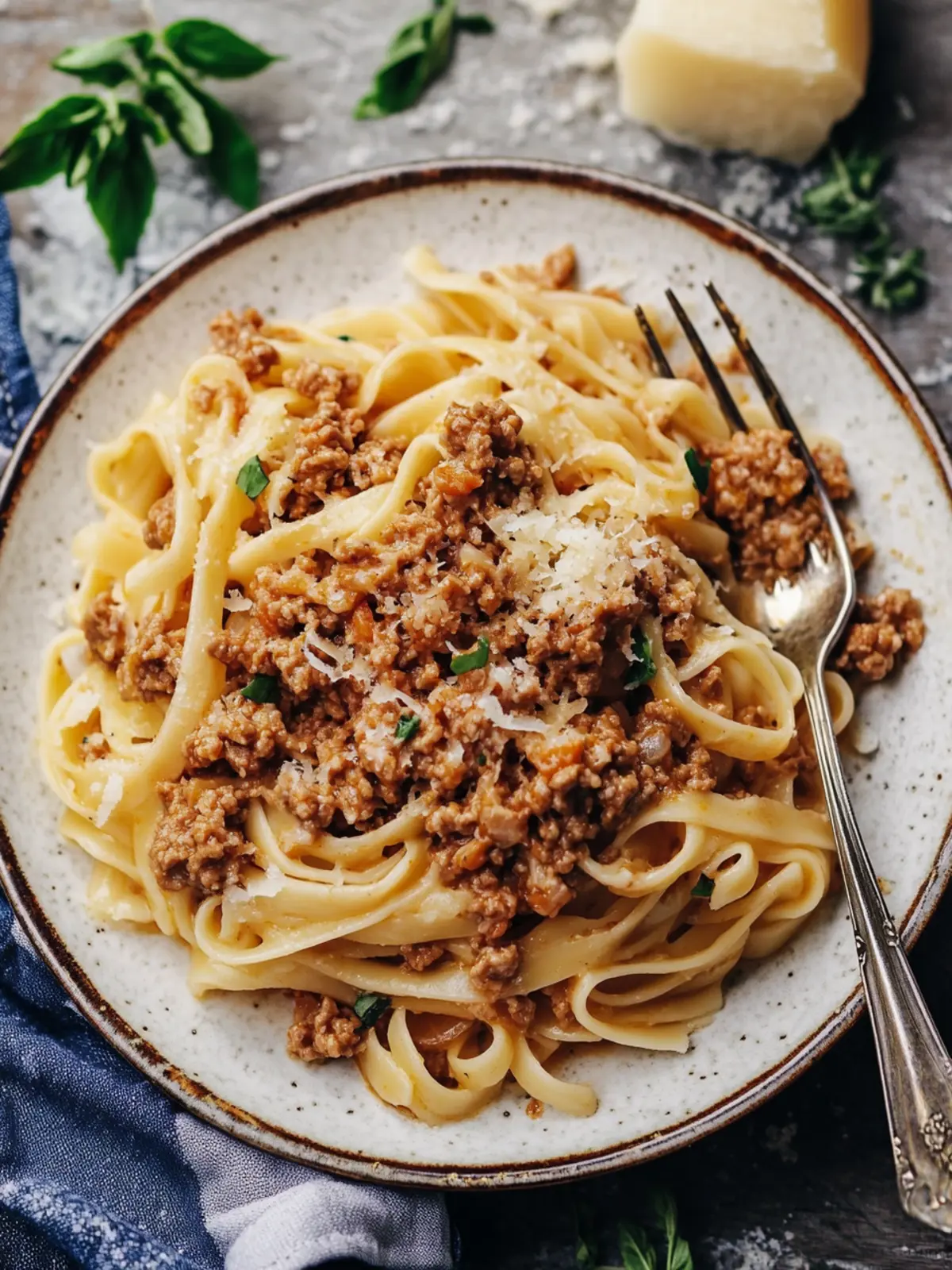
Heavenly White Bolognese (Ragu Bianco) Your New Pasta Obsession
Ingredients
Equipment
Method
- Prep Soffritto: Start by finely chopping the onion, carrot, celery, and optional garlic using a food processor.
- Brown Pancetta: In a Dutch oven, heat a drizzle of olive oil over medium heat. Add the pancetta and brown it for about 3-4 minutes.
- Sauté Soffritto: Stir in your chopped vegetables and sauté for around 3 minutes.
- Cook Meat: Add the ground beef and pork into the pot, seasoning with salt. Cook until the meat is no longer pink, approximately 5-7 minutes.
- Deglaze with Wine: Pour in the white wine and let it simmer for several minutes, scraping up any bits.
- Simmer Sauce: Add the beef or chicken stock, rosemary, Parmesan rind, nutmeg, and half of the whole milk. Cover partially and let the sauce simmer on low heat for 1.5 hours.
- Finish Cooking: After 1.5 hours, uncover the pot, stir in the remaining milk, and simmer for an additional 20-30 minutes.
- Cook Pasta: Meanwhile, bring salted water to a boil and add your pasta. Cook until al dente, then reserve about 1.5 cups of the pasta water before draining the rest.
- Combine: Toss the cooked pasta with the ragu sauce and a splash of reserved pasta water in a large pot.